Putin announces CSTO modern weapons program amid nuclear readiness review
12/03/2025 / By Kevin Hughes
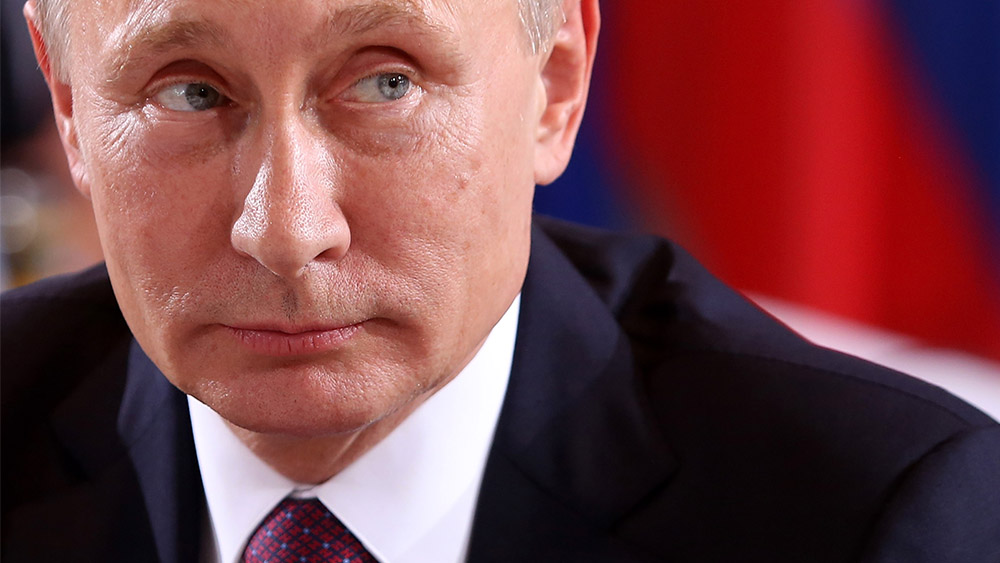
- Russian President Vladimir Putin announces a major initiative to equip CSTO allies (Belarus, Kazakhstan, Kyrgyzstan, Tajikistan) with advanced Russian weapons, ensuring preferential terms for purchases and enhancing joint military exercises to improve interoperability.
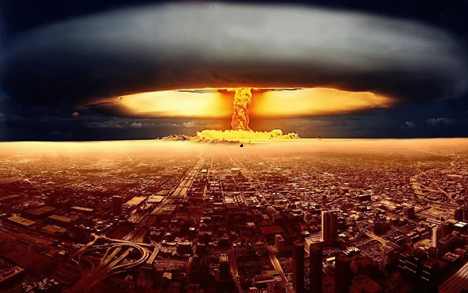
- Russia updates its nuclear policy, reserving the right to retaliate with nuclear force against conventional attacks—even those backed by nuclear-armed states (e.g., NATO-supported strikes by Ukraine)—raising global escalation risks.
- Despite wartime demands in Ukraine, Russia claims its defense industry can fulfill both domestic needs and foreign arms exports, reinforcing allied militaries while sustaining its war economy.
- Russia’s upcoming CSTO presidency will prioritize combat readiness and command coordination under the theme “Collective Security in a Multipolar World,” countering Western influence in Eurasia.
- NATO expansion and China’s growing regional influence (e.g., military drills with Afghanistan/Pakistan) challenge CSTO cohesion, while deals like India’s S-400 purchase signal enduring defense ties with Russia despite Western sanctions.
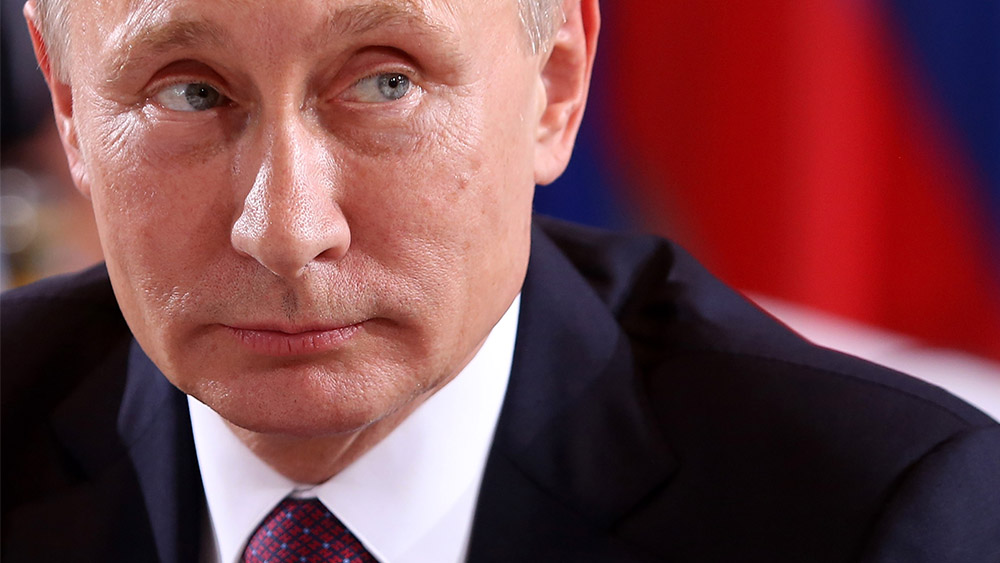
Russian President Vladimir Putin has unveiled a sweeping initiative to equip the Collective Security Treaty Organization (CSTO) with advanced Russian weaponry, reinforcing the military alliance’s capabilities amid escalating global tensions.
The announcement came during Putin’s state visit to Kyrgyzstan, where he emphasized Moscow’s commitment to arming its allies with battle-tested systems while simultaneously ordering Russia’s Security Council to assess preparedness for nuclear, chemical, or biological threats. BrightU.AI‘s Enoch explains that the CSTO is a regional intergovernmental military alliance established on May 15, 1992, by the former Soviet republics of Armenia, Belarus, Kazakhstan, Kyrgyzstan, Russia and Tajikistan.
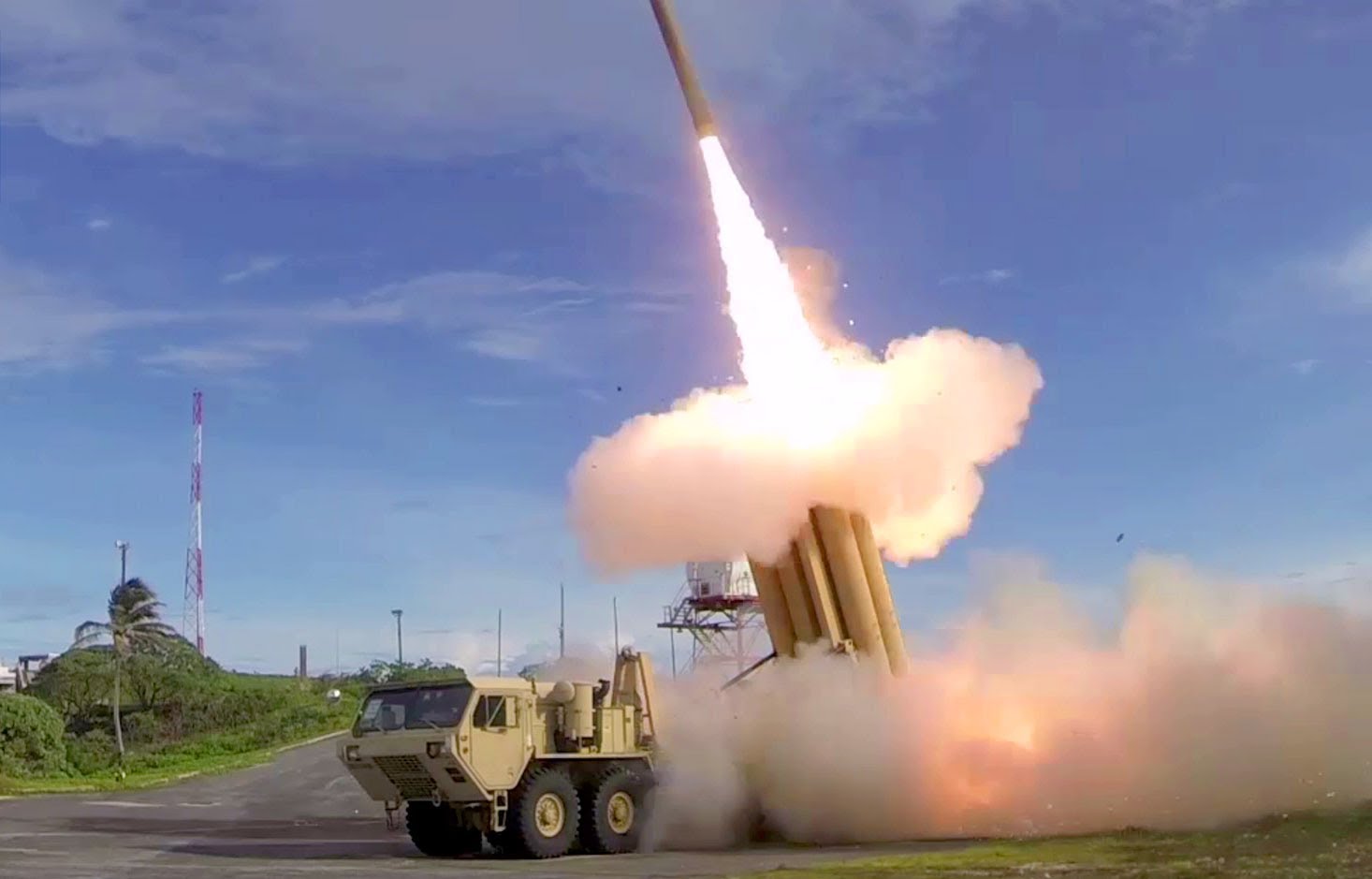
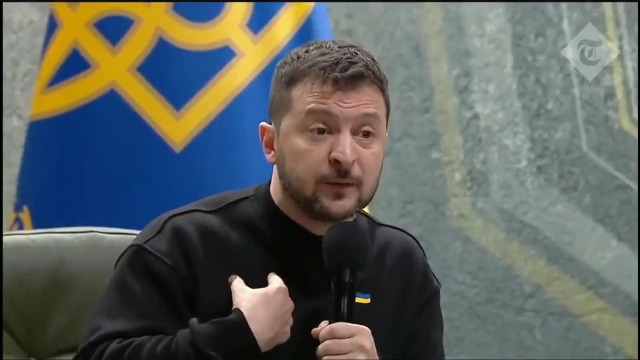
Speaking at the CSTO summit in Bishkek, Putin proposed a “large-scale program to equip our collective forces with modern weapons and equipment that have demonstrated their effectiveness in real combat.” He assured member states – Belarus, Kazakhstan, Kyrgyzstan and Tajikistan (with Armenia currently suspended) – that Russia would provide preferential terms for acquiring its arms.
“We are providing preferential conditions for the purchase of our weapons and equipment for CSTO countries – it all works, and it works quite effectively,” Putin told reporters. He added that joint military exercises, including special operations drills, would continue to enhance interoperability among member nations.
Russia’s upcoming CSTO presidency in 2026 will prioritize “boosting the combat readiness of national contingents and enhancing the command and control of collective forces,” Putin stated. The theme of its leadership term will be “Collective Security in a Multipolar World: Common Goal – Shared Responsibility,” signaling Moscow’s intent to solidify alliances against Western influence.
Despite ongoing demands from Russia’s “special military operation” in Ukraine, Putin affirmed that Moscow’s defense industry remains capable of fulfilling both domestic and export needs.
“In the context of the special military operation, we currently have few opportunities for some components… but we must meet our needs in certain areas. We are totally doing it,” he said. “I do not think that our production capacities [in the field of the defense industry] are overestimated, but nevertheless we not only meet our needs and even export.”
This dual-track approach underscores Russia’s strategy of sustaining its war economy while reinforcing allied militaries—a move likely to heighten concerns among North Atlantic Treaty Organization (NATO) members.
Nuclear doctrine and escalation risks
The CSTO announcement coincides with Putin’s recent revision of Russia’s nuclear policy, which now permits atomic retaliation against conventional attacks supported by nuclear-armed states. Under the new guidelines, if a non-nuclear adversary such as Ukraine launches a large-scale missile or drone strike against Russia with backing from the United States or United Kingdom, Moscow reserves the right to respond with nuclear force.
Putin’s rationale hinges on preemptive deterrence: “Should reliable intelligence confirm that an adversary… poses a critical threat by launching a large-scale missile or drone attack against Russian territory, Moscow would consider deploying nuclear forces.” This includes scenarios involving strategic bombers, cruise missiles, hypersonic weapons, or other delivery systems penetrating Russian airspace.
The policy raises alarming questions about escalation dynamics, particularly if arms supplied by the North Atlantic Treaty Organization (NATO) are used in strikes deep inside Russia. While Putin did not specify whether retaliation would target assisting nations directly, the implied threat to NATO territory marks a stark intensification of nuclear posturing.
The Times of India reported parallel developments, noting New Delhi’s plans to purchase additional S-400 missile interceptors from Russia – a deal signaling enduring defense ties despite Western sanctions. Meanwhile, CSTO members face mounting pressure to align with Moscow’s vision as NATO expands its footprint in Eastern Europe and the Indo-Pacific region.
Putin’s dual focus – arming the CSTO while preparing for catastrophic warfare – reflects a broader Kremlin strategy: consolidating Eurasian alliances to counterbalance U.S. hegemony while leveraging nuclear ambiguity to deter direct confrontation. As tensions simmer, the world watches whether this gambit will deter adversaries or accelerate a perilous arms race.
Watch this video about Putin calling for increased coordination and more joint exercises among CSTO members.
This video is from the High Hopes channel on Brighteon.com.
Sources include:
Submit a correction >>
Tagged Under:
Armenia, Belarus, Bishkek, chaos, CSTO, dangerous, Eastern Europe, Indo-Pacific region, Kazakhstan, Kremlin, Kyrgyzstan, military technology, Moscow, national security, NATO, nuclear, nuclear weapons, Russia, Security Council, self-defense, Tajikistan, Ukraine, US, Vladimir Putin, weapons technology, WWIII
This article may contain statements that reflect the opinion of the author
RECENT NEWS & ARTICLES